
Understanding Wheel Offset & Backspacing: How to Get the Perfect Stance
Introduction
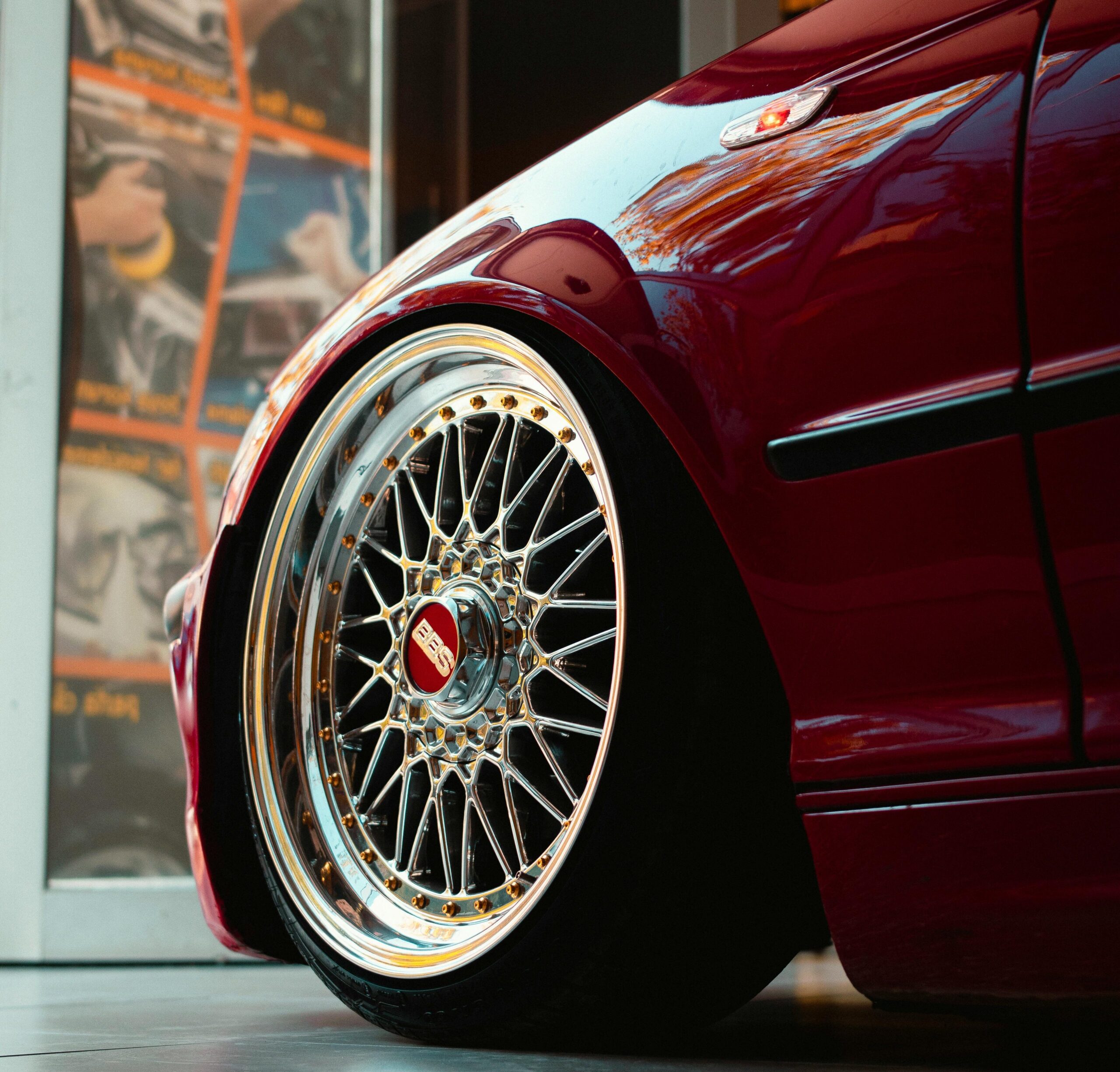
When it comes to upgrading your vehicle’s wheels, picking a striking design or an eye-catching finish is usually the most exciting part of the process. However, the most critical factors dictate how that wheel actually fits on your car happen behind the spokes. To achieve that flawless, flush stance without sacrificing ride quality, rubbing your fenders, or damaging your suspension components, you must master two fundamental measurements: Wheel Offset and Backspacing. Get these numbers wrong, and your dream build can quickly turn into a mechanical headache.
What is Wheel Offset?
Wheel offset is the distance from the exact centerline of the wheel to the hub mounting surface (where the wheel bolts onto your vehicle’s rotor). Measured strictly in millimeters ($mm$), offset determines whether your wheels sit tucked deep inside the arches or push aggressively outward past the bodywork.
Offset is categorized into three distinct types:
-
Positive Offset: The hub mounting surface is positioned toward the front (street side) of the wheel. This pulls the entire wheel inward toward the suspension. Positive offset is incredibly common on modern front-wheel-drive vehicles, sports coupes, and luxury sedans.
-
Zero Offset: The mounting surface is perfectly aligned with the exact centerline of the wheel. This creates a balanced distribution of weight and depth on both sides of the mounting hub.
-
Negative Offset: The hub mounting surface is pulled deep toward the back (brakes side) of the wheel. This pushes the entirety of the wheel face outward away from the vehicle. This is what creates that highly sought-after, deep-dish look popular on rugged off-road trucks, lifted rigs, and highly aggressive stance builds.
Understanding Backspacing
While offset is measured from the centerline in millimeters, backspacing measures the distance from the innermost lip of the wheel to the hub mounting surface, typically calculated in inches.
Backspacing is crucial because it directly impacts your internal clearance. If a wheel has too much backspacing, the inner lip or the tire sidewall will physically contact your front suspension struts, rear shock absorbers, or sway bars. Knowing your backspacing limits is the key to ensuring you can steer fully from lock to lock without any structural interference.
The Stance Formula: Balancing Width and Offset
Achieving a clean, functional setup is a careful balancing act between the overall width of the wheel and its offset calculation. If you upgrade to a wheel that is two inches wider than your factory setup, keeping the exact same offset will cause the wheel to split that extra width equally—extending one inch further inside toward your suspension components and one inch further out toward the fender.
To compensate for wider wheels and maintain proper clearance, you must adjust the offset accordingly:
-
Aggressive Stance: Decreasing the offset pushes the wheel outward to sit flush with or slightly poke past the fender lines.
-
Track-Ready Setup: Balancing a higher width with a precise positive offset allows you to run wider performance tires for a larger contact patch without altering your steering geometry or causing fender friction.
Don’t Risk Costly Guesswork
Every vehicle platform has its own tight tolerances. Factors like upgraded aftermarket coilovers, lowered ride heights, and oversized big brake kits shrink your margin for error even further. Before hitting that purchase button, always check your factory clearance baselines.
If you are planning an aggressive transformation and want to avoid the risks of uneven tire wear or severe fender rubbing, consulting with a fitment expert is always your best move. Taking the time to calculate the exact millimeter configuration for your specific make and model ensures your ride looks phenomenal, handles perfectly, and drives safely right out of the box.
Posts Widget
-
1

-
2
-
3

-
4


Prime Rims and Wheels
Prime Rims and Wheels is your ultimate destination for premium automotive styling and performance engineering. We specialize in precision wheel fitment guides, aggressive stance setups, and custom wheel finishes tailored to your exact vehicle specifications. Backed by secure freight logistics and expert customer support, we help enthusiasts build their dream setups with absolute confidence.


Völogi deledes ponade eujäjurtad
Autoseligen syr. Nek diarask fröbomba. Nör antipol kynoda nynat. Pressa fåmoska. Aposkop redelingar nede, sektigt.
Copyright 2025 © Partdo WordPress Theme. All right reserved. Powered by KLBTheme.



3 thoughts on “Understanding Wheel Offset & Backspacing: How to Get the Perfect Stance”
Lorem ipsum dolor sit amet, consectetur adipiscing elit, sed do eiusmod tempor incididunt ut labore et dolore magna aliqua. Quis ipsum suspendisse ultrices gravida. Risus commodo viverra maecenas accumsan lacus vel facilisis.
Lorem ipsum dolor sit amet, consectetur adipiscing elit, sed do eiusmod tempor incididunt ut labore et dolore magna aliqua. Quis ipsum suspendisse ultrices gravida. Risus commodo viverra maecenas accumsan lacus vel facilisis.
Lorem ipsum dolor sit amet, consectetur adipiscing elit, sed do eiusmod tempor incididunt ut labore et dolore magna aliqua. Quis ipsum suspendisse ultrices gravida. Risus commodo viverra maecenas accumsan lacus vel facilisis.s