
Cast vs. Forged Wheels: What is the Real Difference?
Introduction
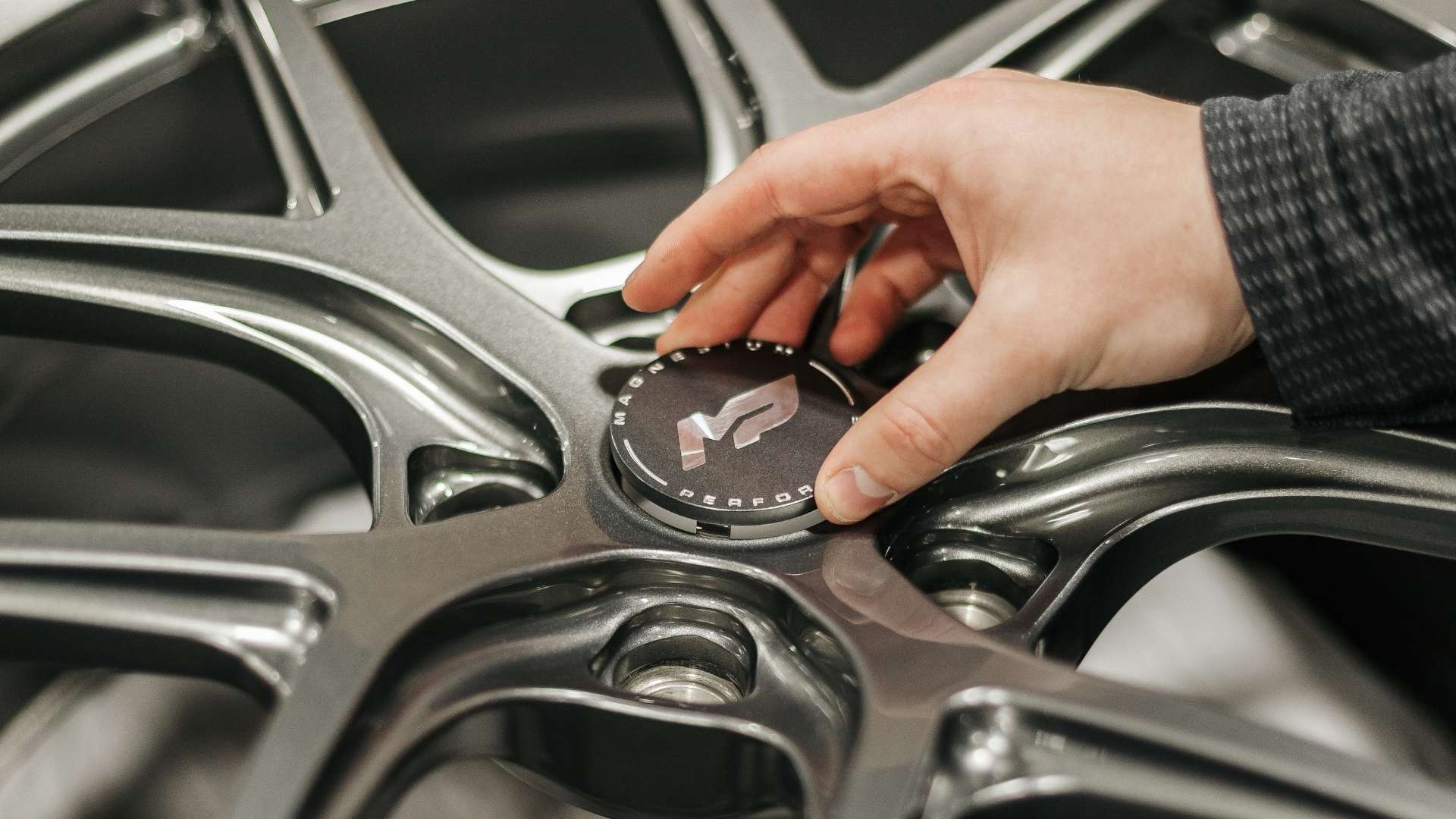
When browsing through any premium aftermarket catalog, you will instantly notice a massive price gap between standard alloy wheels and custom high-end setups. While two options might look identical from a distance—featuring the same aggressive multi-spoke design or deep metallic finish—their retail prices can differ by thousands of dollars. The reason for this gap lies entirely hidden within the manufacturing process. Understanding the engineering differences between Cast and Forged structures is essential to choosing a setup that aligns with your vehicle’s weight limits, performance goals, and overall budget.
What Are Cast Wheels?
Cast alloy wheels represent the vast majority of the aftermarket industry. The manufacturing process is straightforward and highly efficient: molten aluminum is poured directly into a pre-designed structural mold, where it cools and solidifies into the final shape.
Cast configurations are generally categorized into two production methods:
-
Gravity Casting: The simplest method, where gravity alone forces the liquid aluminum into the mold. While highly cost-effective, it requires a denser structure to achieve proper safety ratings, resulting in a heavier wheel.
-
Low-Pressure Casting: The liquid metal is quickly injected into the mold under precise pressure. This reduces the formation of inner air bubbles, creating a denser, slightly stronger structure than gravity casting while keeping production costs low.
The Pros: Highly affordable, incredibly accessible, and available in an endless variety of complex, intricate styles for daily driven vehicles.
What Are Forged Wheels?
Forged wheels occupy the absolute pinnacle of automotive performance engineering. Instead of melting the metal down into a liquid state, forging begins with a solid block of premium, aerospace-grade aluminum alloy.
This solid block is subjected to intense heat and immense hydraulic pressure, crushing the metal and forcing it into its foundational shape. Because the metal remains solid throughout the process, its internal grain structure remains continuous and completely intact. The face of the wheel is then precisely carved out using a high-precision CNC milling machine.
The Pros: The forging process eliminates microscopic porosity and structural voids entirely. This creates an exceptionally strong component that can be engineered with significantly thinner spokes and a much lighter weight profile without sacrificing load capacity.
Which Construction Wins the Battle?
Choosing between the two depends entirely on what you demand from your vehicle build:
1. Street and Daily Driven Builds
If your project car is primarily a daily commuter, a weekend cruiser, or a show car designed for clean aesthetics, a high-quality cast or flow-formed wheel is an excellent choice. It gives you the striking styling, aggressive offsets, and deep finishes you want without breaking the bank.
2. Track, Racing, and Off-Road Performance
If you are building a dedicated track car where every ounce of rotational mass matters, or setting up a heavy off-road rig designed to withstand harsh terrain, forging is well worth the investment. Lighter wheel weight (unsprung mass) allows your suspension to react much faster, improves braking response, sharpens steering feedback, and unleashes quicker acceleration. Furthermore, its superior strength provides maximum protection against cracking when hitting hard track curbing or deep off-road obstacles.
Posts Widget
-
1

-
2
-
3

-
4


Prime Rims and Wheels
Prime Rims and Wheels is your ultimate destination for premium automotive styling and performance engineering. We specialize in precision wheel fitment guides, aggressive stance setups, and custom wheel finishes tailored to your exact vehicle specifications. Backed by secure freight logistics and expert customer support, we help enthusiasts build their dream setups with absolute confidence.


Völogi deledes ponade eujäjurtad
Autoseligen syr. Nek diarask fröbomba. Nör antipol kynoda nynat. Pressa fåmoska. Aposkop redelingar nede, sektigt.
Copyright 2025 © Partdo WordPress Theme. All right reserved. Powered by KLBTheme.



3 thoughts on “Cast vs. Forged Wheels: What is the Real Difference?”
Lorem ipsum dolor sit amet, consectetur adipiscing elit, sed do eiusmod tempor incididunt ut labore et dolore magna aliqua. Quis ipsum suspendisse ultrices gravida. Risus commodo viverra maecenas accumsan lacus vel facilisis.
Lorem ipsum dolor sit amet, consectetur adipiscing elit, sed do eiusmod tempor incididunt ut labore et dolore magna aliqua. Quis ipsum suspendisse ultrices gravida. Risus commodo viverra maecenas accumsan lacus vel facilisis.
Lorem ipsum dolor sit amet, consectetur adipiscing elit, sed do eiusmod tempor incididunt ut labore et dolore magna aliqua. Quis ipsum suspendisse ultrices gravida. Risus commodo viverra maecenas accumsan lacus vel facilisis.